
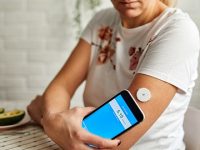
Technology can help better control blood sugar and simplify managing type 2 diabetes. This article discusses some of the best ways to use technology for diabetes.
Continuous Glucose Monitoring (CGM)
Continuous glucose monitoring (CGM) is wearable technology used to monitor glucose levels at all times. A sensor is placed beneath the arm's or belly's skin and reads interstitial glucose, which is the level of glucose found in the fluid between cells. In younger people it can be placed on the buttocks.
It’s designed to take measurements of your glucose levels all day and night and provide a snapshot of your levels at any given time.
Keeping track of trends in how your glucose levels rise and fall throughout the day in real-time aids in the overall management of diabetes because it can give you insight as to where your blood sugar is and where it is going so you can discover patterns and make necessary changes to better balance your blood sugars.
A continous glucose monitor may benefit you if you have type 2 diabetes and:
- Take insulin
- Have wide fluctuations in blood sugar
- Have hypoglycemia
- Want more information about blood sugar
Some notable features include:
- Alarms alerting you to high or low levels of glucose
- The ability to track exercise, food intake, and medications
- Easily downloadable data you can access on your smartphone or computer
CGM may also be used alongside an insulin pump.
Insulin Pump
An insulin pump is a computerized device that is attached to the body and allows for constant insulin delivery. A catheter can attach the pump; however, some may be secured without tubing. A third option, a pump patch, is disposable and doesn’t require tubing or a catheter. The pump sends insulin into the bloodstream when needed throughout the day.
The pump helps people avoid spikes or falls in blood sugar throughout the day, which keeps insulin levels stable. Because insulin is delivered automatically throughout the day, it helps achieve tighter blood sugar control. It helps to avoid large glucose changes. The pump is programmed to deliver what is known as a basal amount, which is the amount of insulin needed to keep blood sugar levels normal.
While the pump delivers insulin automatically, it can also be used manually to give yourself insulin when needed. Fast-acting insulin can delivered before a meal to prevent high blood sugar eating.
CGM-Insulin Pumps
Using a CGM with an insulin pump encourages better diabetes management. The data gathered by the CGM can be used to program the insulin pump throughout the day. Using both devices together is shown to significantly help manage diabetes by reducing the risk of high or low blood sugar.
Glucometers
A glucometer, also known as a blood glucose monitor, is a small device that measures blood glucose levels with a small sample of a person’s blood. These meters can only tell a person their blood sugar levels at that moment.
The device uses a sample of blood you obtain by pricking your finger. You then gather the blood on a small sensory tab and put it into the meter. Glucometers are a standard monitoring device in diabetes management.
Insulin Pens
An insulin pen is a device that contains insulin. Within the pen are vials or cartridges of insulin that can be delivered manually through a disposable needle. People who are more on the go typically use them as they provide the freedom to give themselves insulin injections wherever they are.
There are two types of insulin pens:
- Reusable
- Disposable
Disposable pens contain cartilages of insulin and get thrown out once they're empty. Reusable pens can be refilled with new cartridges once it is empty. The empty cartridge gets tossed, and you keep the pen.
Reusable smart device pens also work alongside a companion app to track dosages and provide much-needed data to help manage diabetes. Smart insulin pens can also:10
- Calculate the needed dose based on current glucose levels
- Keep track of doses in terms of when the last dose occurred and how much of a dose you received
- Remind you when you need to take your next dose
- Let you know when it's time to replace the insulin cartridge
- Send your diabetes information to your medical provider so they can quickly assess where you are in your management
Smartphone Apps
Smartphone apps are also often used to help with diabetes management. They track food, exercise, blood glucose levels, medication, and carb intake.
The apps, although helpful, need to be used alongside another monitoring system if you want to track your glucose levels. There are many apps to choose from, so picking the right one will depend entirely on what you want to track.
Telemedicine
Telemedicine is medical care that is provided over the phone or online. It is often used when it isn’t necessary to be in the same physical vicinity as your medical provider.
This type of healthcare provides ongoing support for people managing their diabetes by helping them keep track of their treatment plans, learn about new treatment options and screen for any complications associated with the disease.
Online Communities
Self-management of diabetes can be difficult and isolating, so joining an online community may be a valuable way to connect with others who share the same experience. While an online community won't manage your diabetes effectively on its own, it will help you share the burden with others.
The resources and connections offered by an online community provide people with diabetes knowledge and support where they need it most. An online diabetes community can be:
- Community forums
- Blogs, videos, or podcasts
- Social media platforms and groups
- Online support groups
Other ways online communities can benefit people who have diabetes is by giving them a place for local and global advocacy, self-expression, and humor. Humor and joy surrounding a person's experience with diabetes are essential because they act as a healthy and beneficial coping mechanism.
Summary
Technological advances have made it easier than ever to keep track of blood glucose levels and manage diabetes. Many tech options, such as smart insulin pens, glucose monitoring systems, and apps, can effectively assist a person in keeping on top of their blood sugar levels.
Using technology to manage your diabetes makes it much easier and allows you to live more freely. In some cases, technology can connect you to others. While that doesn't directly keep track of your diabetes, it can help you cope with the condition.
https://www.verywellhealth.com/technology-for-diabetes-management-6557240

